Immediate Response When Trees Threaten Safety
Emergency Tree Services in Missoula for storm damage and sudden failures that create imminent hazards
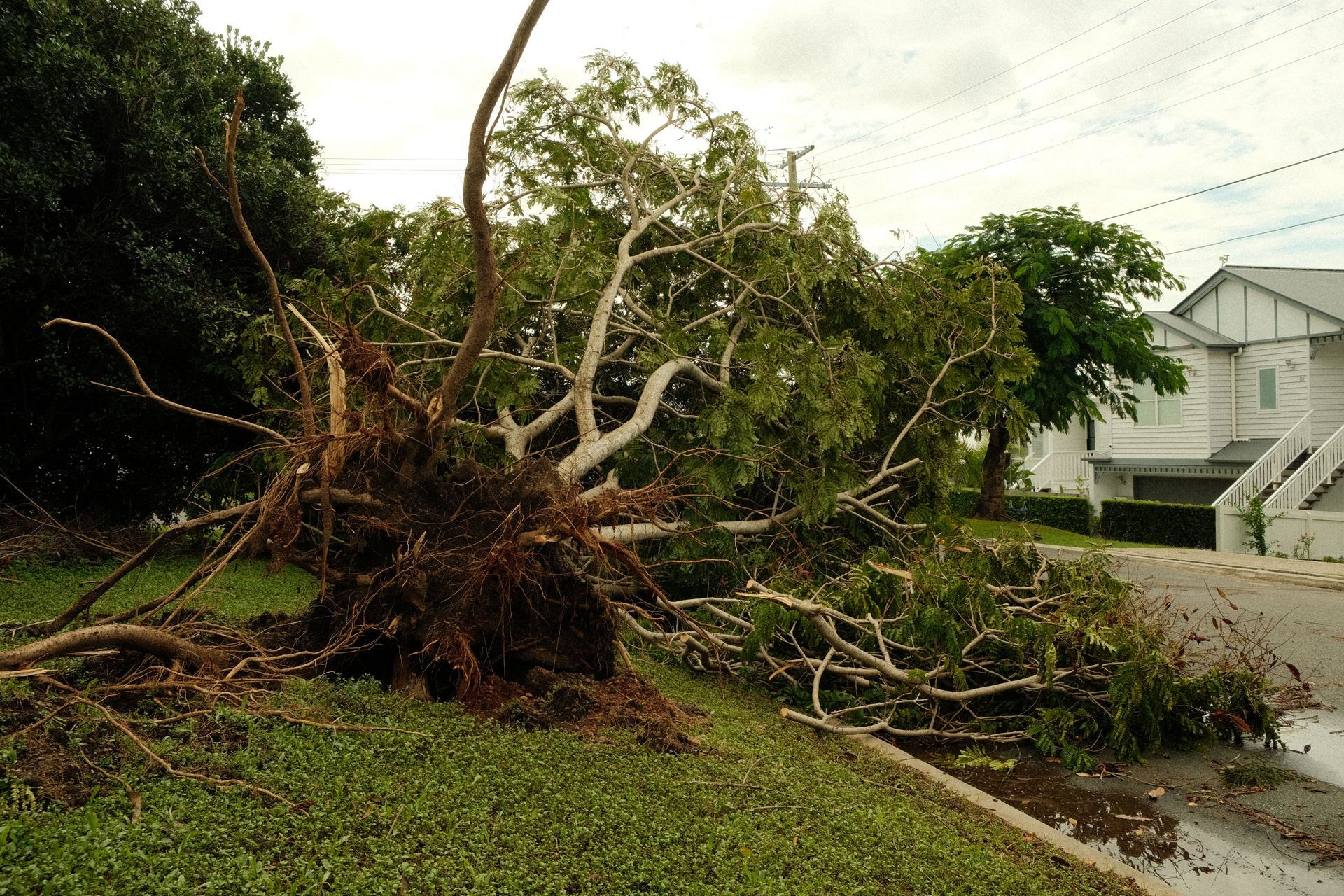
A tree leaning against power lines after a windstorm or a split trunk hanging over a roof doesn't wait for business hours to become a crisis, and the risk of further collapse increases the longer unstable wood remains under tension or unbalanced load. Emergency tree services address hazardous situations caused by storm damage, sudden structural failure, or unexpected tree collapse at any hour, with T&G Tree Service responding to calls during nights and weekends when dangerous conditions threaten people or property in Missoula. The crew arrives with rigging equipment, chainsaws, and safety gear designed to stabilize or remove compromised trees before additional damage occurs or injury results from continued deterioration.
Emergency response involves assessing the immediate threat, securing the area to prevent access by people or vehicles, and using controlled dismantling techniques to remove unstable sections without allowing them to fall unpredictably onto structures, vehicles, or utilities below. The priority is stopping the hazard from worsening, which often means working in difficult conditions with limited visibility or compromised footing while managing trees under stress that behave unpredictably during cutting.
Call immediately when a tree failure creates danger to people, buildings, or utilities that cannot safely wait until the next business day.
The emergency crew uses rigging systems to control the descent of hanging limbs or leaning trunks, cutting in a sequence that relieves tension gradually rather than allowing sudden release of stored energy that could send sections flying unpredictably. Chainsaws with longer bars handle larger diameter cuts needed to section unstable trunks, and the crew works from stable positions using ropes and anchor points to avoid placing workers directly beneath compromised wood during removal.
After the emergency work is complete, the immediate threat no longer exists—the tree or limb that was leaning against your home is removed, hanging sections no longer dangle overhead ready to drop during the next wind gust, and access to driveways or entryways blocked by fallen trunks is restored so you can move vehicles and enter buildings safely. Debris is often left on-site during overnight emergencies and removed during daylight hours once the hazardous sections are down and the area is secured.
Emergency tree services focus on eliminating the immediate danger rather than performing comprehensive cleanup or stump removal, which can be scheduled separately once the crisis is resolved. Some situations require utility companies to de-energize power lines before tree removal can proceed safely, and the crew coordinates with those entities when trees are entangled with electrical infrastructure.
Answers to Urgent Questions About Tree Emergencies
Tree emergencies create stress and uncertainty, and the questions below address what happens when you call for immediate response and how the crew manages dangerous situations safely.
What qualifies as a tree emergency versus a situation that can wait until morning?
Emergencies involve active threats such as trees leaning on structures, limbs hanging over occupied areas, trunks blocking critical access routes, or failures that compromise utility lines and create shock or fire hazards.
How quickly does the crew respond to emergency calls in Missoula?
Response time depends on current weather conditions, crew availability, and travel distance, but the team prioritizes emergency calls and dispatches as quickly as safety and logistics allow, often arriving within hours of initial contact.
What safety measures are used when removing trees under tension or unstable loading?
The crew establishes exclusion zones to keep people away from potential fall paths, uses rigging to control limb descent, and cuts in sequences that relieve stored tension incrementally rather than all at once, reducing the risk of sudden shifts or kickback.
When should I call for emergency service instead of waiting for regular business hours?
Call immediately if the tree poses a threat that could worsen overnight, such as a split trunk that might fully separate in wind, a leaning tree that continues to move, or a situation where people cannot safely access or exit a building.
How does winter weather in Missoula affect emergency tree work?
Snow, ice, and freezing temperatures increase the difficulty and risk of emergency removals by reducing traction and visibility while making wood more brittle, though the crew responds regardless of conditions when safety demands immediate action.
T&G Tree Service takes late-night emergency calls when urgent tree situations arise and responds as quickly as conditions allow to restore safety. Contact the service immediately during tree emergencies rather than waiting for conditions to worsen overnight.