Trees That Threaten Structures During Storms
Tree Removal in Missoula for dead, diseased, or structurally compromised trees near homes and buildings
Western Montana's weather patterns create conditions where mature trees develop structural weaknesses that aren't always visible from the ground. T&G Tree Service removes trees that pose documented risks to homes, landscaping, and nearby structures throughout Missoula, using planning protocols that account for lean direction, root stability, and падения zones before any cutting begins. Dead trees lose structural integrity in stages, with bark sloughing and limb drop occurring long before the trunk itself fails, which means removal timing directly affects how safely the work can be completed.
The removal process involves evaluating the tree's condition, identifying potential obstacles within the fall zone, and determining whether sectional dismantling or directional felling applies based on available clearance. Disease progression affects wood density differently depending on the pathogen involved, which changes how the tree responds to cutting and whether it can support rigging equipment during removal.
Schedule a property evaluation to assess specific trees and discuss removal methods suited to your site conditions.
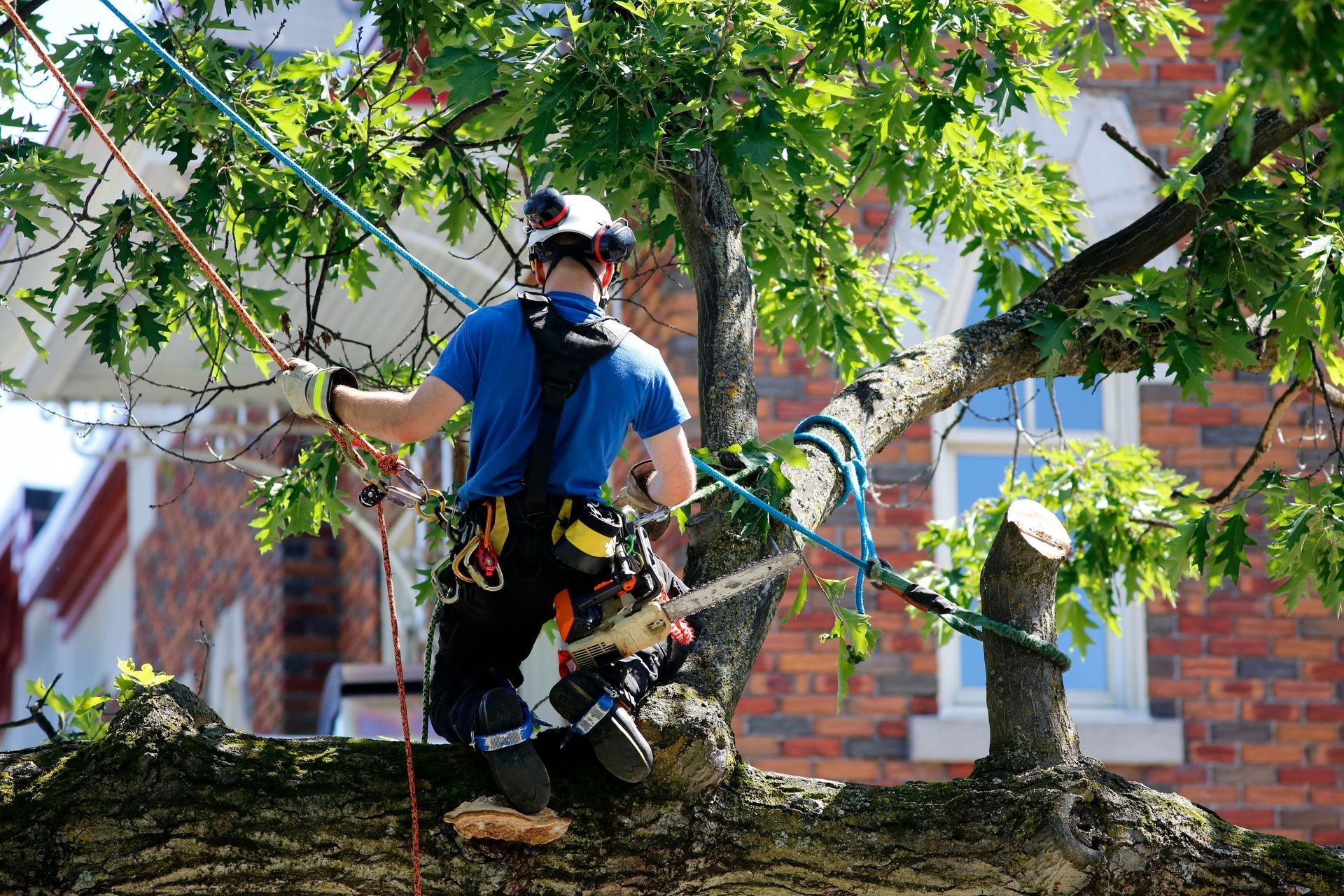
Proper tree removal begins with calculating the tree's center of gravity and lean angle, then determining whether surrounding structures, utility lines, or landscape features eliminate the option of a single directional fell. Specialized equipment such as rigging systems and lowering devices controls descent speed and direction when trees must be dismantled in sections rather than dropped as a single unit.
After removal, you'll notice clear access restored around the affected area, with stump height kept low enough to allow mowing or grinding. Debris is processed and removed from the site, leaving usable outdoor space rather than scattered limbs and trunk sections. T&G Tree Service completes residential and commercial projects using methods that protect existing landscaping and prevent surface damage during equipment operation.
The removal timeline depends on tree size, location constraints, and whether additional hazards such as hanging limbs or split trunks require rigging before the main structure is addressed. Projects requiring crane access or utility coordination extend the planning phase but reduce risk during execution.
What Owners Ask About Tree Removal
Tree removal decisions depend on understanding the process, timing considerations, and what factors influence the approach used on individual properties.
What determines whether a tree can be felled in one piece or requires sectional removal?
Available clearance in the fall direction controls this decision—if the tree's height exceeds the distance to structures, fences, or other trees, sectional dismantling with rigging becomes necessary to avoid collateral damage.
How does weather in Missoula affect tree stability and removal timing?
Winter freezing and spring thaw cycles stress root systems and create frost cracks in trunks, while heavy snow loads bend or break weakened limbs before the growing season, making late winter and early spring common periods for identifying trees that need removal.
What happens to the wood and debris after removal?
Trunk sections are cut into manageable lengths and either removed from the site or left for firewood if requested, while branches are chipped or hauled away depending on volume and site access for equipment.
Why do some dead trees cost more to remove than living ones?
Dead wood becomes brittle and unpredictable, which eliminates the option of climbing for rigging and often requires bucket truck access or crane support to keep workers out of the tree entirely during dismantling.
What indicators suggest a tree should be removed rather than pruned?
Extensive decay in the main trunk, root plate movement during wind events, large cavities that compromise structural integrity, or disease that has killed more than half the crown typically mean removal is the only option that eliminates the hazard.
T&G Tree Service provides free estimates that include site assessment and removal method recommendations based on your property's specific conditions. Contact our team to arrange an on-site evaluation within the local service area.