Unstable Trees Removed Before They Fail
Hazardous Tree Services in Missoula for damaged, leaning, or structurally compromised trees threatening property
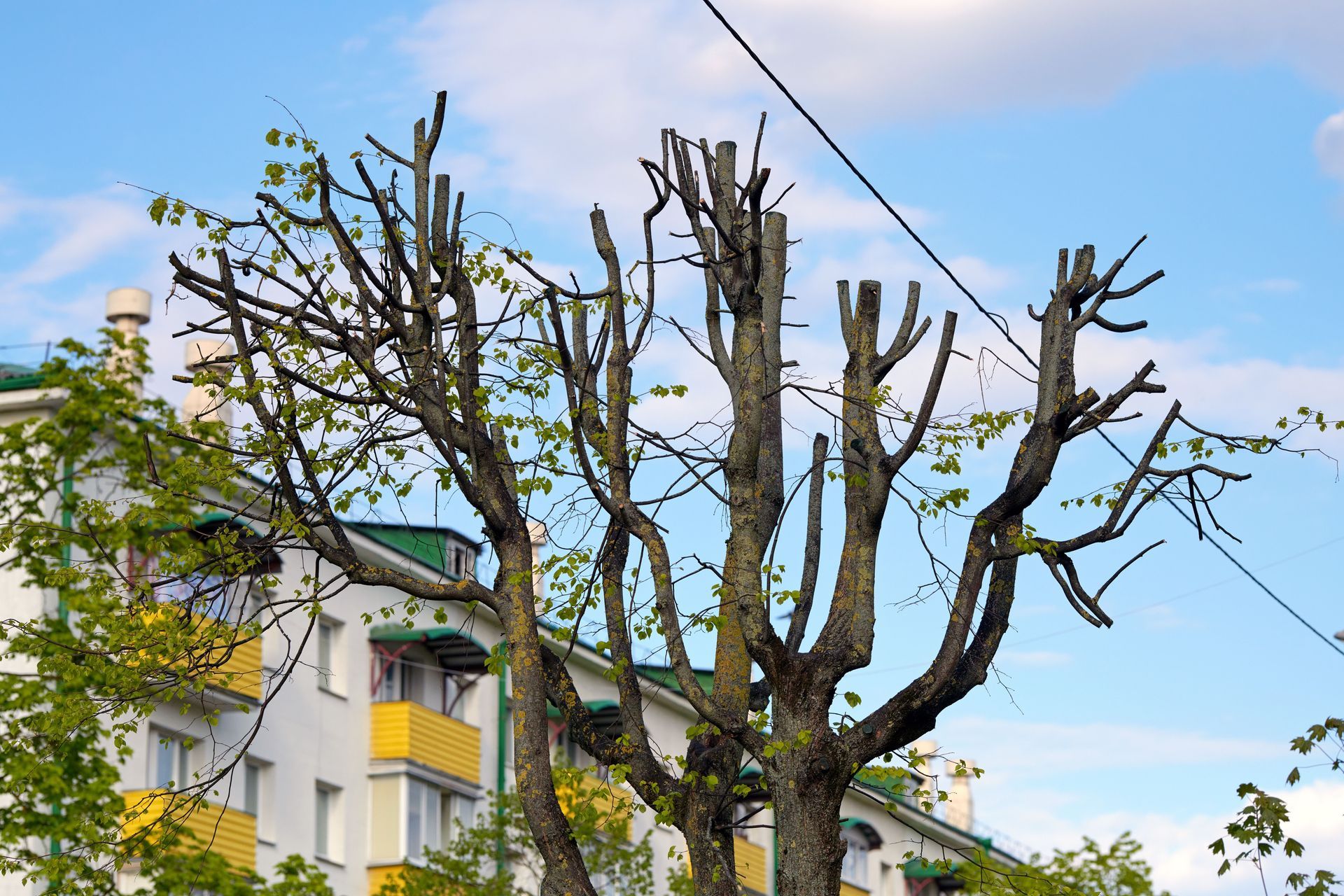
Not every dangerous tree announces its instability with obvious leaning or visible cracks, and property owners often notice only subtle signs like dead branches accumulating in the canopy, bark peeling away from the trunk in vertical strips, or root plates lifting slightly on one side after heavy rain saturates the soil. Hazardous tree removal addresses trees that pose safety risks due to structural damage, disease, decay, or unstable positioning before they fail unpredictably and cause injury or property damage. T&G Tree Service evaluates trees on residential and commercial properties in Missoula to identify compromised specimens and uses rigging techniques designed for complex removals where standard felling methods would allow the tree to strike structures, vehicles, or surrounding vegetation during descent.
The evaluation process examines trunk integrity, root stability, canopy balance, and proximity to targets like buildings or power lines, with the crew looking for indicators such as cavities that extend through the trunk, co-dominant stems with included bark that creates weak unions, or significant lean combined with root exposure on the tension side. Removal methods for hazardous trees often involve sectioning the tree from the top down using ropes to lower each piece in a controlled path rather than allowing gravity to dictate where the wood falls.
Schedule a professional evaluation to assess trees showing signs of instability or structural damage before weather events increase failure risk.
Hazardous tree removal uses rigging systems that anchor to stable trees or ground-based equipment, allowing the climber to attach ropes to sections before cutting them free and lowering each piece under controlled tension rather than letting them drop. The cutting sequence matters significantly because removing weight from one side of an unbalanced tree can cause the remaining trunk to shift suddenly, and the crew plans each cut to manage how loads redistribute as sections are removed progressively from top to bottom.
Once the hazardous tree is removed, the threat of unpredictable failure no longer hangs over your property—the leaning trunk that swayed in moderate wind is gone, the hollow tree that dropped heavy limbs without warning no longer stands above your roof, and the space previously occupied by unstable wood becomes available for replanting with species better suited to the site conditions. The stump remains until grinding is completed, typically scheduled separately unless specifically included in the removal contract.
Hazardous tree removal doesn't address underlying site conditions that may have contributed to the tree's decline, such as compacted soil, poor drainage, or root damage from construction activity. Some properties require multiple hazardous trees to be removed in phases if budget constraints prevent completing all work at once, and the crew prioritizes trees posing the most immediate risk based on structural condition and proximity to high-value targets.
What Property Owners Need to Know About Tree Hazards
Identifying hazardous trees before they fail requires understanding what signs indicate structural compromise, and property owners in Missoula often ask how to evaluate trees and what removal involves.
What are the most common signs that a tree has become hazardous?
Visible indicators include large dead branches in the canopy, trunk cavities or decay visible through openings in the bark, pronounced lean with soil cracking on the root plate, and bark falling away in sheets rather than small flakes as the tree declines.
How is a hazardous tree removed when it's leaning toward a building?
The crew uses rigging to pull sections away from the structure as they're cut, or removes the tree in small pieces starting from the top and working downward, with each section lowered on ropes to prevent any part of the tree from falling toward the building.
When should a tree be removed rather than monitored for future decline?
Removal becomes necessary when structural defects compromise the tree's ability to support its own weight, when the tree leans far enough that root failure seems likely, or when decay has hollowed the trunk to the point where wind loading could cause collapse.
What factors determine how long hazardous tree removal takes?
Tree size, proximity to structures, access for equipment, and the complexity of rigging required all affect project duration, with larger trees in tight spaces requiring more time to section and lower safely compared to open-area removals.
How does the removal crew protect surrounding property during hazardous tree work?
The crew establishes drop zones clear of vehicles and structures, uses plywood or mats to protect paved surfaces from impact damage, and controls each piece with rigging to prevent sections from swinging into adjacent trees or buildings during descent.
T&G Tree Service specializes in identifying and removing hazardous trees using safe methods designed for complex situations where standard approaches wouldn't protect nearby structures. Arrange a property evaluation to assess trees showing signs of instability and confirm removal methods based on site-specific conditions.