Branches That Clear Rooflines and Driveways
Tree Trimming and Pruning in Missoula for overgrown limbs that obstruct structures and create storm hazards
Overgrown branches reduce clearance around homes and buildings until contact with roofing materials or siding becomes routine during wind events. Trimming and pruning services address this by removing dead, damaged, and overgrown limbs while encouraging healthy growth patterns through selective cuts that redirect energy to productive branches. T&G Tree Service completes residential and commercial pruning projects in Missoula, focusing on clearance needs and structural improvements that reduce storm-related hazards before severe weather arrives.
The pruning process involves identifying which branches to remove based on their position, condition, and growth angle, then making cuts at specific points that promote callus formation and prevent decay from entering the trunk. Dead wood removal eliminates weight and windage that stress attachment points, while thinning cuts improve airflow through the canopy to reduce sail effect during high winds.
Request a maintenance evaluation to identify pruning priorities and establish a routine schedule suited to your trees.
Correct pruning cuts are made just outside the branch collar, the swollen area where the branch attaches to the trunk, which allows the tree to seal the wound naturally without leaving stubs that decay or cutting so close that trunk tissue is damaged. Timing varies by species, with most hardwoods pruned during dormancy to minimize stress and reduce disease transmission, while deadwood can be removed any time without harm.
Once pruning is complete, you'll notice improved clearance around structures, better sightlines along driveways, and a canopy shape that allows light penetration to lower branches and ground-level plantings. Storm response also changes, with properly pruned trees flexing rather than breaking under wind and snow loads because weight is distributed across sound attachment points instead of concentrating on weak or codominant stems.
Routine maintenance typically occurs on a two-to-four-year cycle depending on tree species, growth rate, and proximity to structures, with faster-growing trees requiring more frequent attention to maintain clearance and prevent limbs from overextending their attachment strength.
Answers to Common Pruning Questions
Property owners throughout the area often ask about timing, methods, and expected results from professional tree trimming.
What's the difference between trimming and pruning?
Trimming generally refers to maintaining shape and clearance by removing outer growth, while pruning involves selective removal of specific branches to improve structure, health, or safety based on the tree's growth patterns and condition.
How much of a tree's canopy can be safely removed at one time?
Removing more than 25 percent of the living canopy in a single session stresses the tree and reduces its ability to produce energy, so projects addressing severe overgrowth are often staged across multiple seasons to preserve tree health.
Why do some branches need to be removed even if they're still alive?
Branches that cross and rub against each other create wounds that invite disease, while limbs with narrow attachment angles develop included bark that weakens the connection and eventually leads to failure under load.
When is the best time to prune trees in Missoula?
Late winter before bud break is ideal for most species because wounds seal quickly once growth resumes, and the absence of foliage improves visibility of branch structure, though deadwood removal and hazard reduction can occur year-round without negative effects.
What equipment is used for pruning work?
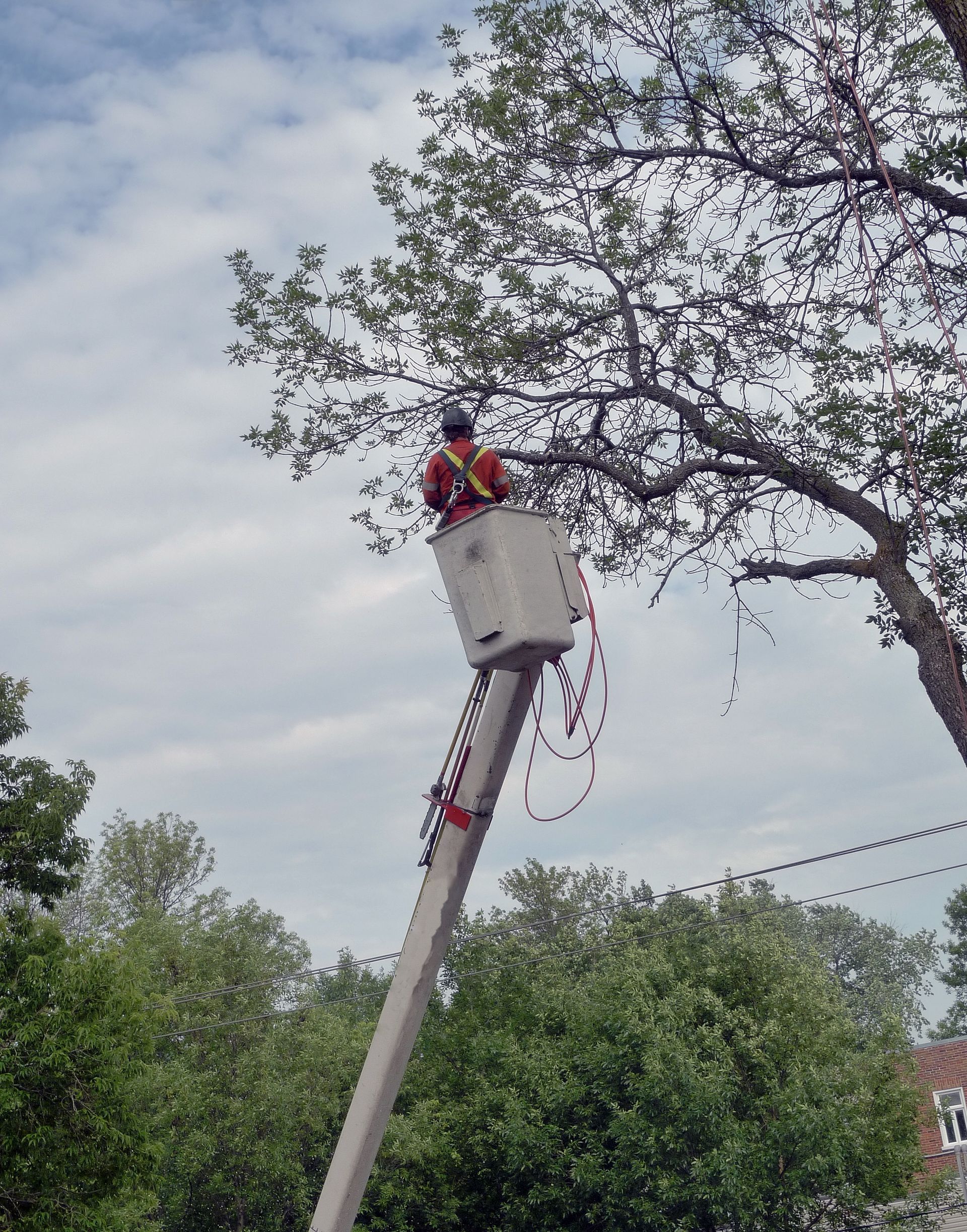
Hand saws and pole pruners handle smaller branches, while chainsaws address larger limbs, and bucket trucks or climbing gear provide access to upper canopy sections that can't be reached from the ground safely.
T&G Tree Service provides trimming and pruning for properties throughout the region, with scheduling options that align with optimal timing for your specific trees. Arrange a site visit to discuss your clearance and health concerns.